
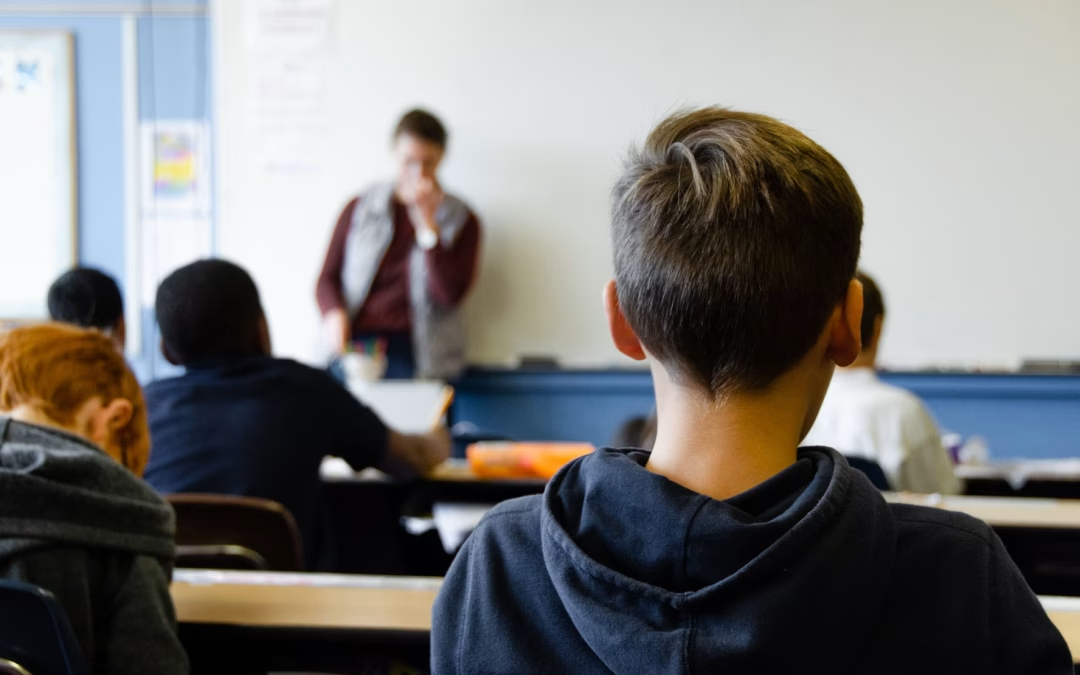
Managing classroom conflict and aggression is one of the most challenging aspects of teaching, particularly when children have diverse needs. Educators must find a delicate balance between maintaining a safe, conducive learning environment and addressing the individual needs of each child. Aggression in the classroom can arise from a variety of causes, such as frustration, sensory overload, or unmet communication needs. In these cases, it is essential for educators to use de-escalation strategies while providing tailored support to help children manage their emotions and behavior effectively.
Understanding the Roots of Classroom Aggression
Aggression in children often stems from underlying emotional or developmental issues. For children with special needs, such as those with autism, ADHD, or emotional and behavioral disorders, aggressive behaviors can be more frequent due to difficulties with communication, frustration tolerance, or emotional regulation.
It is crucial for educators to recognize these root causes before reacting to aggressive behavior. Often, aggressive outbursts are a sign of the child feeling overwhelmed, unable to express their needs, or struggling with transitions. The U.S. Centers for Disease Control and Prevention (CDC) estimates that approximately 1 in 6 children in the U.S. has a developmental disability, which can manifest in various ways, including aggression during stressful situations.
Key Triggers for Aggression in the Classroom:
- Sensory Overload: Children with sensory processing challenges may feel overwhelmed by loud noises, bright lights, or crowded spaces, leading to frustration and aggressive outbursts.
- Communication Barriers: Children who have limited verbal communication skills may resort to aggression as a means of expressing themselves when they feel misunderstood or unable to convey their needs.
- Frustration with Tasks: If a child feels incapable of completing a task or perceives that they are not succeeding academically, frustration may manifest in aggressive behavior.
- Inconsistent Routines: Children, particularly those on the autism spectrum, thrive on routine and predictability. Sudden changes in the schedule or environment can lead to heightened anxiety and aggression.
By identifying these triggers, educators can better prepare to de-escalate situations before they become too challenging.
De-escalation Techniques for Educators
De-escalation involves calming a child who is displaying aggressive behavior before the situation worsens. The goal is to reduce tension, create a sense of safety, and guide the child toward a more regulated state. Here are several de-escalation techniques that have been shown to work effectively in classrooms:
1. Maintain a Calm Demeanor
One of the most important aspects of de-escalation is the educator’s own behavior. Staying calm and composed helps to model the type of behavior that children should emulate. Raising your voice or appearing frustrated can escalate the situation, whereas a calm voice and non-threatening body language help soothe the child.
2. Use Nonverbal Cues
Nonverbal communication, such as gestures, facial expressions, and proximity, can play a vital role in de-escalating aggressive behaviors. For children with communication challenges, sometimes words can be overwhelming or even misunderstood. Using simple gestures, like holding up a hand for “stop” or motioning to a calm-down corner, can offer a clear, non-threatening signal for the child to follow.
3. Validate the Child’s Emotions
Often, children become aggressive when they feel misunderstood or ignored. One effective de-escalation strategy is to verbally acknowledge the child’s feelings without condoning the aggressive behavior. Statements like, “I see you’re feeling upset right now,” or “It’s okay to be frustrated, but let’s find a safe way to talk about it,” can help children feel seen and understood, reducing their need to act out.
4. Provide a Safe Space for De-escalation
Creating a calm-down corner or quiet area in the classroom can provide children with a space to self-regulate. This space should be free from distractions and sensory overload. It can include calming tools such as weighted blankets, noise-cancelling headphones, fidget toys, or visual aids that help guide children through calming exercises. Allowing children to step away from the classroom dynamic without punishment can prevent aggressive situations from escalating.
5. Offer Choices
Aggressive behaviors often stem from a child feeling out of control. Offering choices helps to restore a sense of agency. For example, instead of demanding a child stop a behavior, you might say, “Would you like to take a break in the quiet area, or would you prefer to work with a partner on a different task?” Giving choices helps the child feel empowered while also guiding them toward safer, calmer alternatives.
Addressing Individual Needs in Behavior Plans

Every child is different, and as such, educators must tailor their approach to de-escalation and behavior management based on the individual child’s needs. Many schools implement Individualized Education Programs (IEPs) or 504 Plans to ensure that children with special needs receive the accommodations they require. Behavioral intervention plans are often part of these programs, outlining strategies for preventing and responding to aggressive behavior.
Creating Effective Behavior Intervention Plans (BIPs)
Behavior Intervention Plans (BIPs) are designed to help students manage challenging behaviors through positive reinforcement, consistent expectations, and targeted interventions. Here’s what an effective BIP should include:
- Behavioral Goals: Clear, measurable goals that focus on reducing aggressive behaviors and replacing them with positive alternatives.
- Trigger Identification: A detailed list of known triggers (e.g., transitions, loud noises) to help educators anticipate when aggression may occur.
- Strategies for Prevention: Proactive strategies, such as visual schedules or sensory breaks, that help prevent aggressive behaviors before they arise.
- Intervention Strategies: Specific techniques for de-escalation and redirection when aggressive behavior occurs, such as the use of calm-down areas or sensory tools.
- Positive Reinforcement: A plan for rewarding positive behaviors, which can include verbal praise, tangible rewards, or earning privileges based on appropriate behavior.
Collaboration Between Parents and Educators
As with any behavior intervention, collaboration between educators and parents is critical to success. Parents provide invaluable insights into their child’s behavior, including what triggers aggressive outbursts and which strategies have been effective at home. Regular communication ensures that the strategies used in the classroom are consistent with those at home, creating a unified approach to behavior management.
Parent-Educator Meetings
Frequent parent-educator meetings allow both parties to review the child’s progress, discuss any ongoing challenges, and adjust behavior plans as necessary. These meetings are essential for keeping both parents and educators on the same page regarding the child’s behavior and progress.
Home-School Behavior Trackers
Some schools use home-school behavior trackers, where both teachers and parents note incidents of aggressive behavior, triggers, and successful de-escalation techniques. This shared record helps both parents and educators recognize patterns, monitor progress, and adjust interventions accordingly.
Professional Development for Educators
Ongoing professional development is essential for equipping educators with the skills to manage classroom conflict and address aggression in children. Training programs on positive behavior support (PBS), trauma-informed practices, and conflict resolution offer valuable tools for de-escalating aggression and creating inclusive, supportive learning environments.
PBS and Positive Reinforcement
PBS focuses on understanding the reasons behind behaviors and using positive reinforcement to encourage appropriate behavior. This approach helps teachers move away from punitive measures and instead promote positive change through reward systems and structured support.
Conclusion
Addressing aggression in the classroom requires a multifaceted approach that combines de-escalation techniques, individualized behavior plans, and close collaboration with parents. By understanding the root causes of aggressive behavior and implementing tailored strategies, educators can create a more supportive and peaceful classroom environment. With the right tools and training, aggression can be managed effectively, ensuring that every child, regardless of their needs, can thrive in school.
Dr. Essence Allen-Presley and the Education Institute for Early Intervention (EIEI)
Dr. Essence Allen-Presley is a trailblazer in the field of early intervention, focusing on supporting children with special needs through evidence-based strategies and training. As the founder of the Education Institute for Early Intervention (EIEI), Dr. Presley’s work emphasizes collaboration between parents, educators, and therapists to address behavioral challenges, including aggression in early learners. Her dynamic approach equips educators with practical tools to manage classroom conflict while meeting the individual needs of each child. The EIEI provides specialized training programs that promote inclusive, respectful educational environments where every child’s unique potential is nurtured. Dr. Allen-Presley’s commitment to early intervention continues to reshape the way we understand and address challenging behaviors in children, fostering long-term success in both academic and social spheres.