
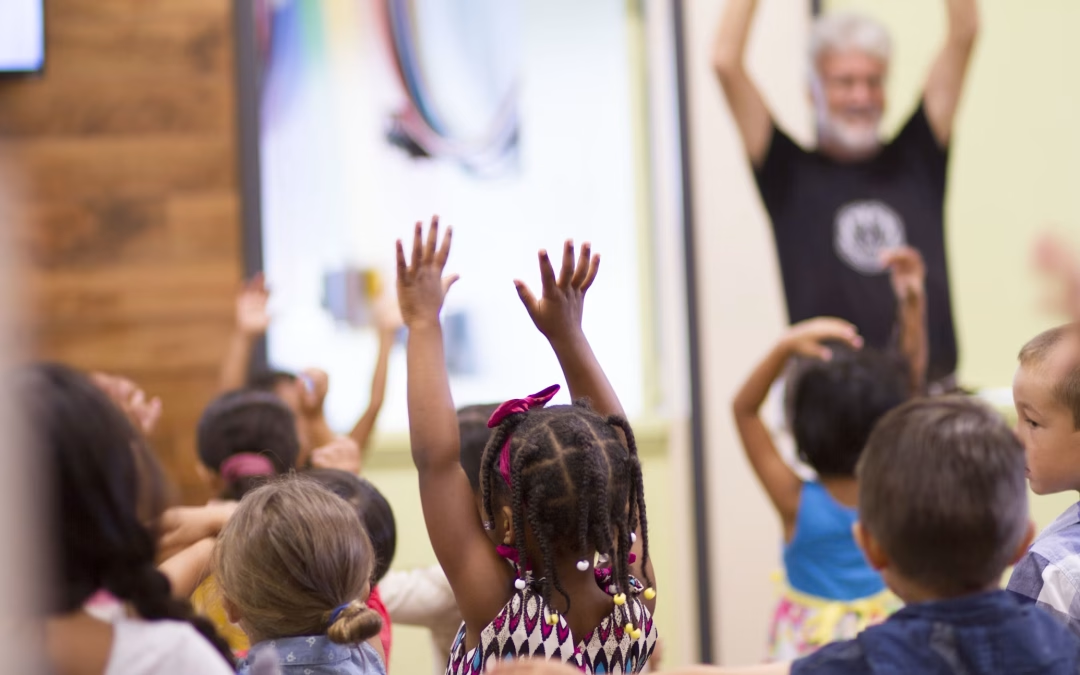
Creating inclusive communities that embrace and support children with diverse abilities is essential for fostering environments where all children can thrive. These communities celebrate diversity, promote acceptance, and ensure that every child, regardless of their abilities, has equal opportunities to succeed. This blog outlines effective strategies for building inclusive communities, highlighting the importance of collaboration, education, and ongoing support in achieving these goals.
Understanding the Importance of Inclusion
Celebrating Diversity
Inclusion is more than just accommodating children with diverse abilities; it’s about celebrating the uniqueness of every child. Inclusive communities recognize that diversity enriches the learning environment and benefits everyone. By embracing differences, communities can create spaces where all children feel valued and respected. This celebration of diversity helps to break down barriers and fosters a sense of belonging among all members of the community.
Research from the Harvard Graduate School of Education shows that inclusive practices not only benefit children with diverse abilities but also enhance the social and emotional development of their peers. When children grow up in environments that celebrate diversity, they learn to appreciate and respect differences, which lays the foundation for a more inclusive society.
Promoting Acceptance and Understanding
Creating an inclusive community requires a shift in mindset from focusing on what children with diverse abilities cannot do, to recognizing and supporting what they can do. Promoting acceptance involves educating all members of the community—parents, educators, and children—about the strengths and potential of children with diverse abilities.
According to the National Inclusion Project, promoting acceptance starts with awareness and education. Schools and community organizations can host workshops, training sessions, and events that focus on inclusion and diversity. These initiatives help to dispel myths, reduce stigma, and foster a culture of understanding and empathy. When communities are educated about the value of inclusion, they are more likely to embrace and support all children.
Strategies for Building Inclusive Communities
Creating Accessible Environments
One of the key strategies for building inclusive communities is ensuring that environments are physically and socially accessible to all children. This includes making necessary modifications to buildings, playgrounds, and other communal spaces to accommodate children with physical disabilities. It also involves creating social environments where children with diverse abilities feel included and accepted.
Accessible environments are not just about ramps and elevators; they also involve inclusive teaching practices and curricula that cater to the needs of all learners. Universal Design for Learning (UDL) is an educational framework that promotes flexible learning environments that can accommodate individual learning differences. By adopting UDL principles, schools and community organizations can ensure that all children have access to meaningful and engaging learning experiences.
Fostering Inclusive Education
Inclusive education is a cornerstone of building inclusive communities. It involves integrating children with diverse abilities into mainstream classrooms and providing them with the support they need to succeed. Inclusive education benefits all students by promoting diversity, encouraging collaboration, and enhancing social skills.
According to a report by the World Bank, inclusive education leads to better academic outcomes for children with diverse abilities and fosters a more inclusive society. To achieve inclusive education, schools must provide teachers with the necessary training and resources to support children with diverse abilities. This includes professional development opportunities that focus on inclusive teaching strategies, as well as access to specialized support services such as speech therapy, occupational therapy, and counseling.
Encouraging Family Involvement
Families play a crucial role in building inclusive communities. When families are actively involved in their children’s education and community activities, children with diverse abilities are more likely to feel supported and included. Encouraging family involvement can take many forms, from regular communication between parents and educators to organizing family-centered events and activities.
Collaboration between families, schools, and community organizations is essential for creating a supportive network for children with diverse abilities. By working together, families and educators can develop individualized education plans (IEPs) and other support strategies that are tailored to the unique needs of each child. This collaborative approach ensures that children receive consistent support both at home and in the community.
Promoting Social Inclusion
Social inclusion is a key component of building inclusive communities. It involves creating opportunities for children with diverse abilities to participate in social activities, make friends, and develop social skills. Schools and community organizations can promote social inclusion by organizing inclusive extracurricular activities, clubs, and sports teams that are open to all children.
Peer mentoring programs are another effective strategy for promoting social inclusion. These programs pair children with diverse abilities with peers who can provide friendship, support, and guidance. Research has shown that peer mentoring not only benefits children with diverse abilities but also fosters empathy and leadership skills in their mentors.
The Role of Training in Fostering Inclusion
Building inclusive communities requires ongoing education and training for all members of the community. Dr. Essence Allen-Presley, founder and Chief Executive of The Education Institute for Early Intervention (EIEI), is a leading advocate for inclusive education and early intervention. Her organization offers training programs designed to equip educators, caregivers, and community leaders with the knowledge and skills needed to support children with diverse abilities.
Dr. Allen-Presley’s training sessions focus on practical strategies for creating inclusive environments, promoting acceptance, and supporting the holistic development of all children. By participating in these training sessions, community members can gain a deeper understanding of the importance of inclusion and learn how to implement effective practices in their own settings.
For more information on upcoming training sessions and other services offered by EIEI, visit EIEI Services, call 267-415-6724, or email info@eieiservices.com.
Building inclusive communities is a collective effort that requires the commitment and collaboration of everyone involved. By celebrating diversity, promoting acceptance, and creating accessible environments, we can foster communities where all children, regardless of their abilities, have the opportunity to thrive. Training and education, such as those offered by Dr. Essence Allen-Presley and EIEI, play a crucial role in this process, providing the tools and knowledge needed to support children with diverse abilities. Together, we can build a more inclusive and supportive world for all children.
As the new school year unfolds, it’s crucial to apply the best strategies to support your child with autism. Recently, Dr. Essence Allen-Presley, a respected advocate for children with special needs, led a Back to School Training session at the Hollidaysburg Library Community Room. Her insights offered valuable tools for creating a supportive educational environment. To learn more about her work and future events, visit EIEI Services.