
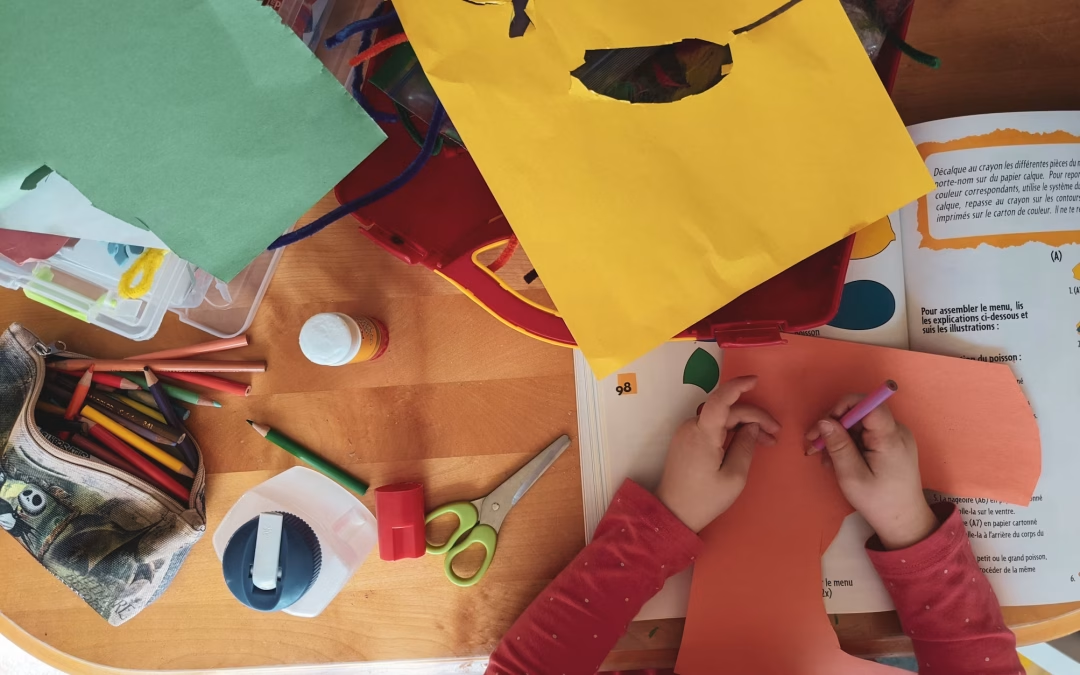
Art therapy offers a powerful avenue for children with Autism Spectrum Disorder (ASD) to express themselves and communicate in ways that traditional methods may not allow. Through the creative process, art therapy provides a non-verbal outlet for children with ASD to explore their emotions, improve communication skills, and integrate sensory experiences. This blog delves into the therapeutic benefits of art therapy for children with autism, offering insights into how caregivers can incorporate this practice into their child’s routine to support holistic development.

The Therapeutic Power of Art
Unlocking Non-Verbal Communication
For many children with ASD, verbal communication can be challenging. Art therapy offers an alternative form of expression that transcends the need for words. Through drawing, painting, sculpting, and other forms of artistic creation, children can convey their thoughts, feelings, and experiences in a way that feels natural and safe. Research has shown that art therapy can help children with autism develop a stronger connection between their emotions and their ability to express them, facilitating more meaningful interactions with those around them.
Art therapists are trained to interpret the symbols, colors, and forms used by children in their artwork, providing insights into their inner world. This non-verbal communication channel can be especially valuable for children who struggle with traditional speech and language. As they engage in the creative process, children may also begin to develop new ways of understanding and expressing their emotions, leading to improved emotional regulation and communication skills.
Enhancing Emotional Expression
Emotional expression is a crucial aspect of human development, and for children with ASD, it can often be a complex and challenging process. Art therapy creates a space where children can explore their emotions freely, without the pressure of verbalizing their feelings. The act of creating art allows children to externalize their emotions, making them more tangible and easier to understand.
Experts in art therapy have noted that children with autism often use art as a way to process complex emotions, such as anxiety, frustration, or joy. The tactile nature of art materials—whether it’s the smoothness of clay or the vibrancy of paint—can also provide a soothing sensory experience that helps children regulate their emotions. Over time, regular engagement in art therapy can lead to greater emotional awareness and the ability to express a wider range of feelings, both verbally and non-verbally.
Sensory Integration Through Art
Addressing Sensory Processing Challenges
Children with ASD often experience sensory processing challenges, where they may be overly sensitive or under-responsive to sensory stimuli. Art therapy can be an effective tool for helping children integrate sensory experiences in a controlled and therapeutic manner. Through the use of various art materials and textures, children can explore different sensory inputs in a safe environment.
For example, working with clay can provide deep pressure input that is calming for some children, while painting with bright colors can offer visual stimulation that engages others. By gradually introducing new sensory experiences through art, therapists can help children with autism build tolerance and comfort with a wider range of sensory inputs. This sensory integration is not only beneficial for reducing anxiety but also for enhancing the child’s ability to engage with the world around them.
Facilitating Sensory-Motor Skills
Art therapy also supports the development of fine motor skills, which are often an area of difficulty for children with ASD. Manipulating art tools such as brushes, scissors, or modeling clay requires hand-eye coordination, precision, and control. These activities can help children strengthen their motor skills in a fun and engaging way.
Moreover, the repetitive and rhythmic nature of some art activities can have a calming effect, helping to regulate the nervous system and promote a sense of well-being. Over time, as children build their motor skills through art, they may find it easier to perform everyday tasks, boosting their independence and self-confidence.
Incorporating Art Therapy into Daily Life
Creating a Supportive Environment at Home
Caregivers play a vital role in the success of art therapy for children with autism. Creating a supportive and structured environment at home can encourage children to explore their creativity and reap the benefits of art therapy. This can be as simple as setting up a dedicated art space with a variety of materials and allowing the child to engage in art-making at their own pace.
It’s important for caregivers to remain patient and open-minded during this process. Children with ASD may not always create art that is easily understood, but the focus should be on the process rather than the final product. Allowing the child to take the lead in their art-making can foster a sense of autonomy and boost their confidence.
Collaborating with Art Therapists
While incorporating art therapy at home is beneficial, working with a professional art therapist can provide additional guidance and expertise. Art therapists are trained to tailor sessions to the individual needs of each child, using specific techniques to address particular challenges associated with autism.
Caregivers can collaborate with art therapists to reinforce therapeutic goals at home, ensuring a consistent approach that supports the child’s development. Regular communication between the therapist and caregivers is key to creating a holistic and effective therapy plan.
Long-Term Benefits of Art Therapy
Supporting Holistic Development
The long-term benefits of art therapy for children with ASD extend beyond immediate improvements in communication and emotional expression. Regular engagement in art therapy can contribute to overall cognitive development, including problem-solving skills, creativity, and critical thinking. These skills are essential for academic success and social interaction as the child grows.
Moreover, art therapy can foster a sense of identity and self-expression, helping children with autism build a positive self-image. This empowerment is crucial for their mental health and well-being, providing them with the tools they need to navigate the complexities of life.
Enhancing Quality of Life
Ultimately, art therapy enhances the quality of life for children with autism by providing them with a meaningful outlet for self-expression and a way to connect with others. As children develop their artistic abilities, they may also discover new passions and interests that bring joy and fulfillment.
For caregivers, witnessing the positive impact of art therapy on their child can be deeply rewarding. It offers hope and reassurance that their child is developing the skills they need to thrive, both in their personal lives and within the broader community.
Art therapy is a powerful tool for fostering communication, emotional expression, and sensory integration in children with Autism Spectrum Disorder. By incorporating creative activities into their child’s routine, caregivers can support holistic development and enhance their child’s quality of life. For those seeking professional guidance, experts like Dr. Essence Allen-Presley at The Education Institute for Early Intervention (EIEI) offer tailored support and innovative approaches to art therapy. For more information on EIEI’s programs, visit EIEI Services, call 267-415-6724, or email info@eieiservices.com. Empower your child with the benefits of art therapy and unlock their potential through creative expression